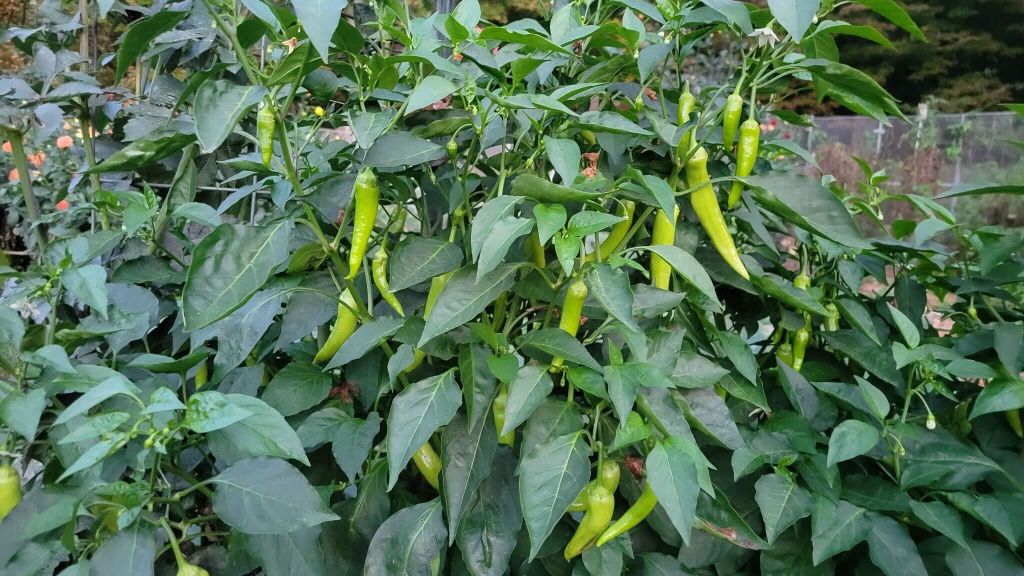
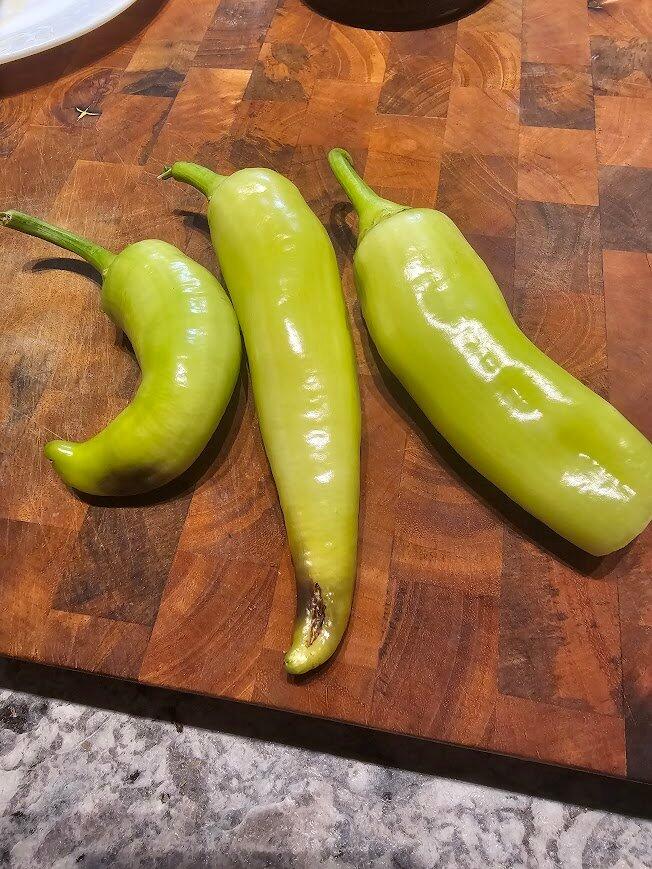
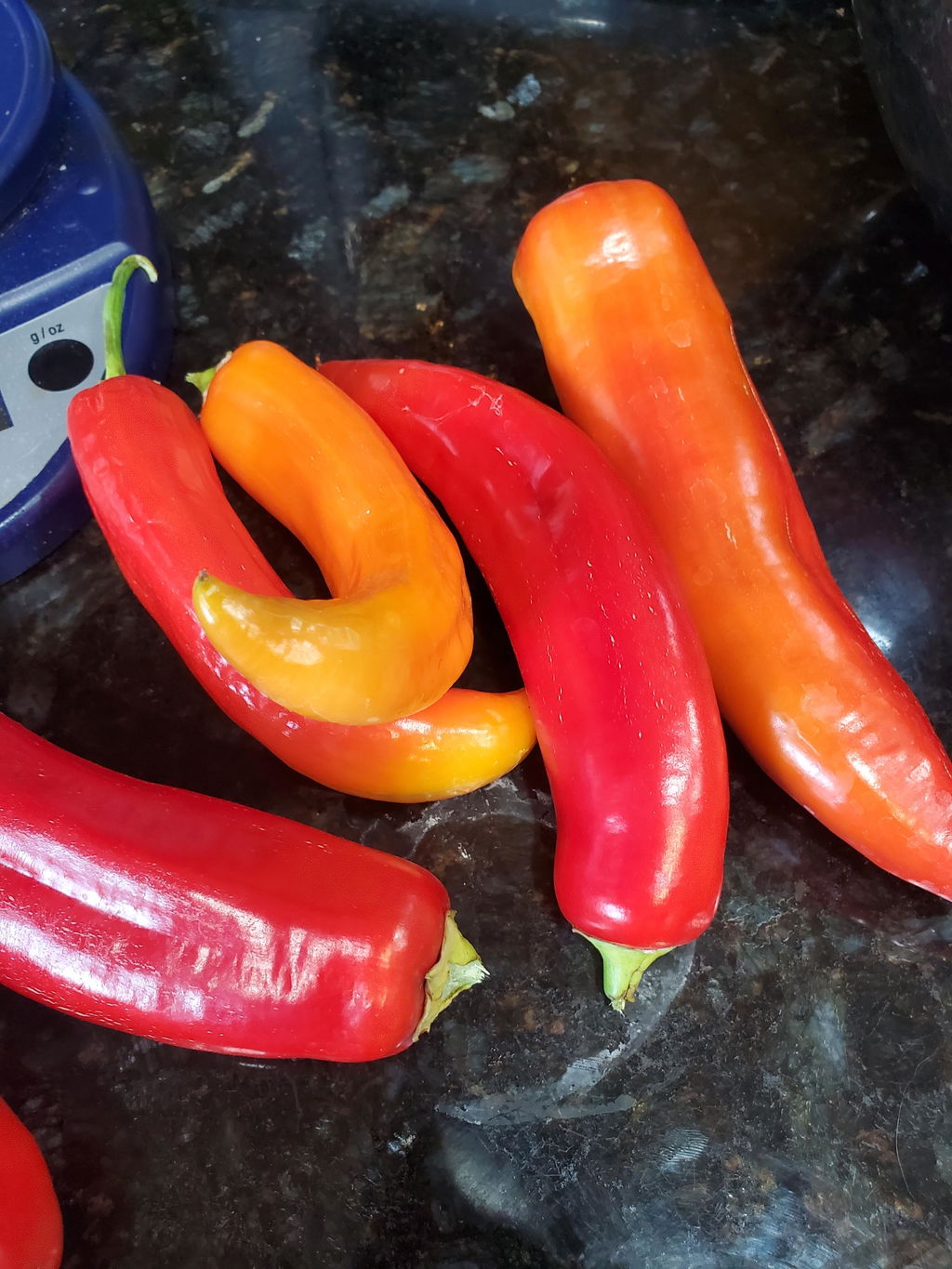
Lola Pepper
What's the Difference?

Organic Seed

Seed

Pelleted Seed

Transplants

Seed Tape

Seed Disk

Grafted Transplants
Growing Tips & Guides

Get Started


Get Started
From Seed
- Soil Temp for Germ 70–90°F
- Seed Depth ¼"
- Days to Emergence 8–25
- Soil Temp for Transplant 65°F
- Plant Spacing 12–18"
- Row Spacing 24–30"
- Fertilizer Needs High
- Minimum Germination 70%
- Seeds per Gram ≈ 140
- Seed Life 2 years
Pepper Disease Resistance Key
-
 Bacterial Leaf Spot Bacterial disease causing dark, wet spots on leaves.
 -
 Phythium Root Rot Fungal disease causing water-soaked roots, wilting, stunting.
 -
 Potato Y potyvirus Viral disease causing mosaic patterns and necrosis.
 -
 Root-Knot Nematode disease causing galls, stunting on plant roots.
 -
 Tobacco Etch Virus Viral disease causing etch patterns, mosaic on leaves.
 -
 Tobacco Mosaic Virus Viral disease causing mosaic patterns, mottled leaves.
 -
 Tomato Mosaic Virus Viral disease causing mottled leaves, stunted growth.
 -
 Tomato Spotted Wilt Virus Viral disease causing bronze spots, wilting, stunted growth.

Sunlight Requirements

Watering Requirements

Soil Requirements
Benefits & Care Tips
How to Harvest Peppers
When Will my Order Ship?
Though we cannot guarantee a specific time frame, new orders that are in stock will take approximately 48 business hours to ship. Pre-ordered items such as plants and garlic will ship at their designated time noted in the product description.
When Will my Transplants Ship?
Plants are sent out according to the shipping date chosen by you when they are ordered. Since our live plants are dependent on the weather to mature, they can be delayed. We reserve the right to slightly alter the shipping dates if there are maturity problems. Remember, plants are living things and don’t always follow schedules.
Before shipping, each transplant is hardened-off in the crisp night air of our short season farm. When they arrive at your door, they're ready for your garden.
When Will my Garlic or Shallots Ship?
Garlic and shallot bulbs are shipped ONLY in the fall - September through mid-October, depending on the season and the variety.
Other shipping questions? See our shipping information page here.
What growing zone do I live in?
We base our zones off the USDA Plant Hardiness Zone Map. You can find out what zone you live in here.
Do you sell genetically modified seed?
No! We are a 100% non-GMO company, and are signers of the Safe Seed Pledge. The Safe Seed Pledge can be found towards the bottom of our About page.
What is Heirloom Seed?
Heirloom is a descriptive term with no definitive definition. At Territorial Seed, we categorize a variety as an heirloom if it is from pre-World War II, open pollinated, and has a history of being preserved and passed down through the generations. In other words, heirlooms are time-tested favorites.
What does F1 or Hybrid mean?
The F1 symbol is used to indicate that a variety is a hybrib. Seed that is noted to be a hybrid would be the result of pollen from one variety fertilizing the flower of another variety; cross pollination. You would not want to save seed from a hybrid as it would not grow "true to type" to the plant you saved the seed from.
What does OP or Open Pollinated mean?
An open-pollinated variety will produce new plants that are "true to type" or just like the parent plant, as long as it has not cross-pollinated with another variety. You can save seed from open-pollinated varieties.
What does TS Select Mean?
Quality is never an accident; it’s always a result of dedicated effort, and we believe traditional, high-quality open-pollinated varieties are worth the effort. Existing open-pollinated seed varieties need care and attention to ensure the desired original characteristics are preserved. In our Organic Conservation Breeding Program we select varieties for their original positive attributes, and continuously adapt them to the organic growing conditions. Territorial Select Strains are unique organic seed varieties that are the result of this program. Many of our varieties have been grown and selected under organic conditions for over 25 years and are well adapted to low-input farming and gardening practices. We are committed to providing the broadest possible range of proven true-to-type, high quality organic seed varieties for home garden and professional organic farming.
Look for the varieties with the Territorial Select icon, for seed grown at our organic farm from our Organic Conservation Breeding Program.
What does Parthenocarpic mean?
This word literally means virgin fruit. Parthenocarpic vegetable varieties have the ability to produce fruit without being pollinated. These fruits will also be seedless. The most common fruiting vegetables for which parthenocarpic varieties can be found are cucumbers, tomatoes, summer squash, and eggplant. In the case of cucumbers, the fruit will be seedless if kept in isolation from other pollen-producing varieties. With other vegetables, parthenocarpy allows earlier fruit formation (often in less-than-ideal conditions), but under normal circumstances will eventually produce seeded fruit due to normal pollination activity.
What is your Fertilizer recipe?
4 parts seed meal or fishmeal
1 part agricultural lime or dolomite
1 part ⅓ rock phosphate, ⅓ bone meal, ⅓ kelp meal
To use an organic fertilizer in a cost effective manner, spread the fertilizer around the plant or incorporate it into the soil to a depth of 4–16 inches.
Below seeds, we recommend making a 3 ½ inch deep furrow, sprinkling complete organic fertilizer in the bottom of the furrow and covering the fertilizer with soil.
Sow the seeds on top of this soil, then cover the seeds as necessary.
Above is a formula for a complete and well-balanced fertilizer. All quantities are in volume, so the items may be scooped out. Mix thoroughly and store in a dry place.
Seed meal means any kind of ground-up seed, which is usually a by-product of oil making. Cottonseed, soy, canola and linseed meals are usually available. Cottonseed is the most inexpensive and is easy to work with. Fish meal tends to have a strong odor. All these meals are high in nitrogen, contain moderate amounts of phosphorus and are weak in potassium.


Our Products Are Backed By a 100% Guarantee
At Territorial our products are backed by our full guarantee. Our seeds and products are guaranteed for an entire year from the date of purchase. We want you, our customers, to be 100% satisfied with the seed, plants, and supplies that you purchase from us. If anything you buy from Territorial proves to be unsatisfactory, we will either replace the item or refund the purchase price, whichever you prefer.
Learn About Territorial Seed
For nearly 50 years, we've been providing gardeners of all skill levels quality seeds, transplants, supplies, and more.
Build Your Garden With These Products
Add This Item to Your Cart